Car Brake Maintenance: Don’t Let the New Year Rush Stop You
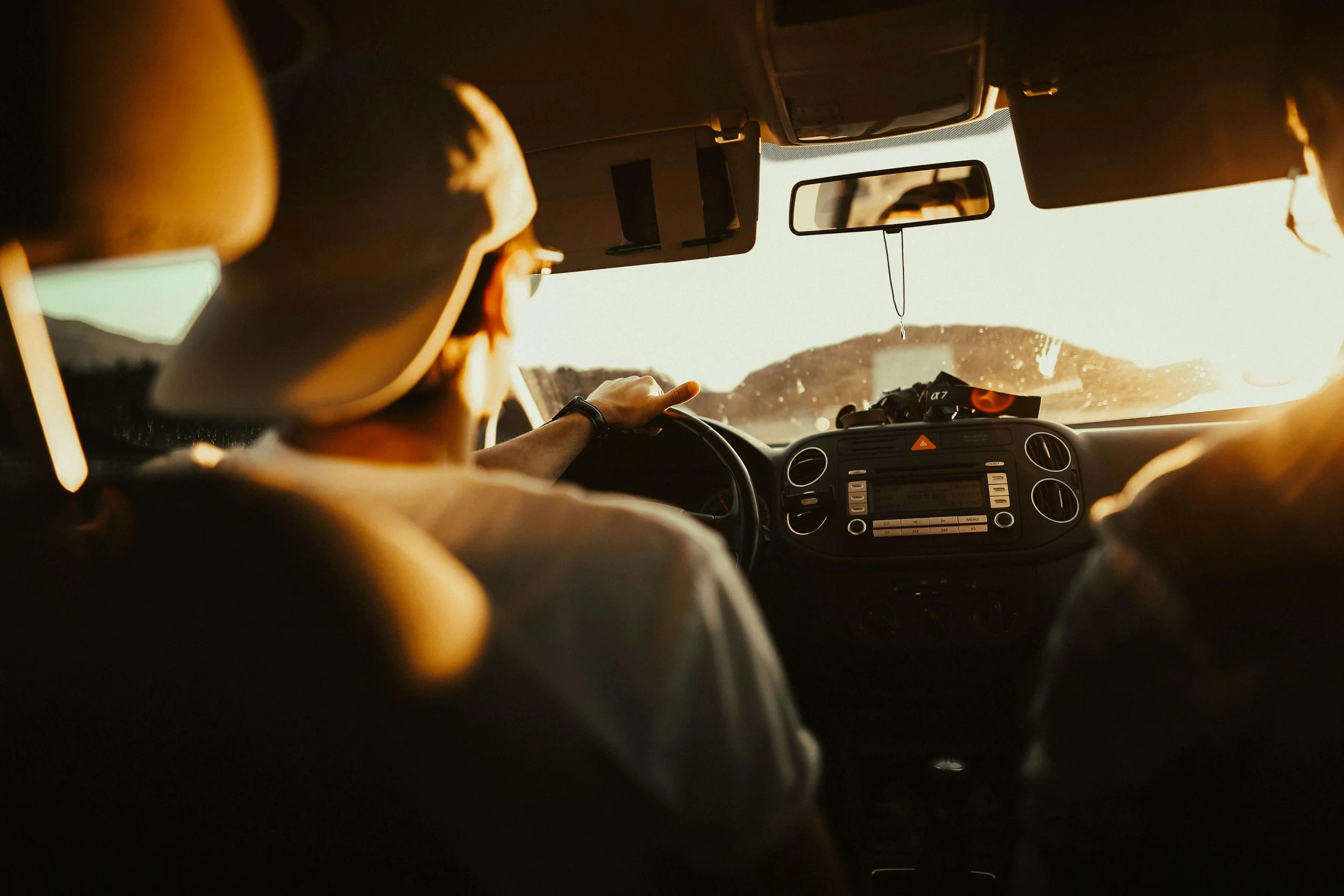
Long travels, bulky bags, and erratic traffic conditions are common during the New Year rush. Your vehicle needs to be in excellent condition, since many families travel great distances. Daily car brake maintenance should be your priority among all components. An enjoyable family gathering might turn unsafe and stressful due to malfunctioning brakes.
Today, we’ll look at why brake maintenance is essential during the New Year rush, common warning signs, and costs.
Why Brake Maintenance Matters Most During the New Year Rush
Excellent brake performance ensures traffic safety in unpredictable conditions, breakdowns, and congested roads. Brake pad and rotor maintenance is important whenever you're planning on lengthy drives. Make sure your braking system is ready for the heavy traffic ahead.
Increased Road Traffic and Longer Travel Times
Your braking system is under more strain during long trips.
Braking more frequently.
Increased risks of abrupt pauses.
Brake wear is higher in stop-start traffic.
Heavier Loads from Luggage and Passengers
Having a full boot and travelling with family increases the vehicle’s weight.
More braking force is necessary for heavier cars.
Higher heat production in brake rotors and pads.
Changing Weather and Driving Conditions
Changes in weather conditions affect braking distance.
Decreased traction on wet roadways.
Brake temperature rises in hot weather.
Responsive brakes are necessary for unfamiliar driving conditions.
Despite seasonal challenges, a well-maintained system ensures safe transportation.
Common Warning Signs Your Brakes Need Attention
Keeping an eye out for these warning signs ensures your car remains dependable on long drives. A vehicle safety check helps you identify potential issues and address them as early as possible.
Squeaking, Grinding, or Clicking Noises
Unusual noises may indicate a brake issue.
Squeaking typically means a worn brake pad.
Grinding is common when the pads are completely worn out.
Lastly, clicking noises indicate loose components.
Vibrations or Pulsing
Vibrations or pulsing can indicate:
Uneven rotors.
Uneven brake pad wear.
Misaligned or snared calliper.
Soft Brake Pedal
When the brake pedal offers little to no resistance, it is a serious issue.
It can mean that your engine is low on brake fluid.
Or there is air in the hydraulic lines.
Car Pulling to One Side When Braking
When your car veers to the left or right, it can mean:
Damaged callipers.
Brake line damage.
Brake pads are wearing down unevenly.
Burning Smell When Braking
A strong burning smell when you brake requires immediate attention.
Overheating due to the burning pad material.
Stuck calliper.
Worn-out brake pads.
How Much Does Brake Maintenance Cost in New Zealand?
Understanding your car’s brake maintenance cost helps you in budget. In New Zealand, the entire cost of maintenance depends on labour, your vehicle’s make and model.
Typical Costs for Brake Pads
Most standard vehicles cost around $150 to $300, while SUVs and larger cars cost $250 to $500. Sports cars and luxury vehicles are pricier, with initial prices starting at $500 or higher. Take note that these are estimates, and prices vary from one area to another. Labour, parts, and additional time are factors to consider when estimating costs.
Rotor Resurfacing or Replacement Costs
Rotor resurfacing for standard cars is more affordable at $100 to $200, while replacement costs $300 to $900. However, if the rotors display warping, deep grooves, or are thinner than required, replacement is necessary. New rotors cost more, but they guarantee safer braking and improved performance on busy New Year traffic.
Cost of Brake Fluid Services
Brake fluid collects moisture over time, decreasing brake efficiency and raising the possibility of system damage. A brake fluid flush is one of the affordable brake maintenance services, usually costing between $70 and $150. Mid-range costs are $90 to $100 and include standard or service bleed, while the higher end ranges from $100 up to $150 or higher. The final cost varies from fluid type, vehicle make and model, and service depth.
Regular vehicle safety checks and maintenance help prevent costly repairs and reduce worries about malfunctions during the New Year rush hour.
Why Choose Sims Brake Services This New Year Rush?
Your car's brake maintenance must be a priority to ensure it functions reliably, especially on long trips and in congested traffic. Your brakes need to be prepared for anything this season, for your and your family's safety.
Sims Brake Services guarantees your vehicle’s reliability with skilled mechanics and high-quality service. You can trust us to give your car’s brake system a thorough inspection! Schedule a visit with us today, and get ready for the long trip ahead. As a family-owned business with over 30 years of experience, we understand the importance of road safety and returning to your family.
FAQs on Car Brake Maintenance
How often should I get my car’s brakes checked?
It’s best to schedule a car brake maintenance inspection at least once a year or every 10,000 kilometres. Get your brakes checked as soon as you can, especially if you frequently travel long distances.
What are the most common signs that my brake pads need replacing?
When the brake pads squeak or grind, reduced braking power, vibrations, and increased stopping distance. When you observe these signs, it's best to take immediate action.
What should I check myself?
You can regularly check the brake fluid level and colour, and listen for any sounds. When you go on long trips, you can do a quick visual inspection. It’s best to check daily for any issues, and you can contact a mechanic immediately if you find any.
What parts of the brake system undergo inspection during maintenance?
The brake pads, rotors, callipers, hoses, master cylinder, and handbrakes get checked during a brake system inspection.