5 Things You Need to Know About Brake Cables
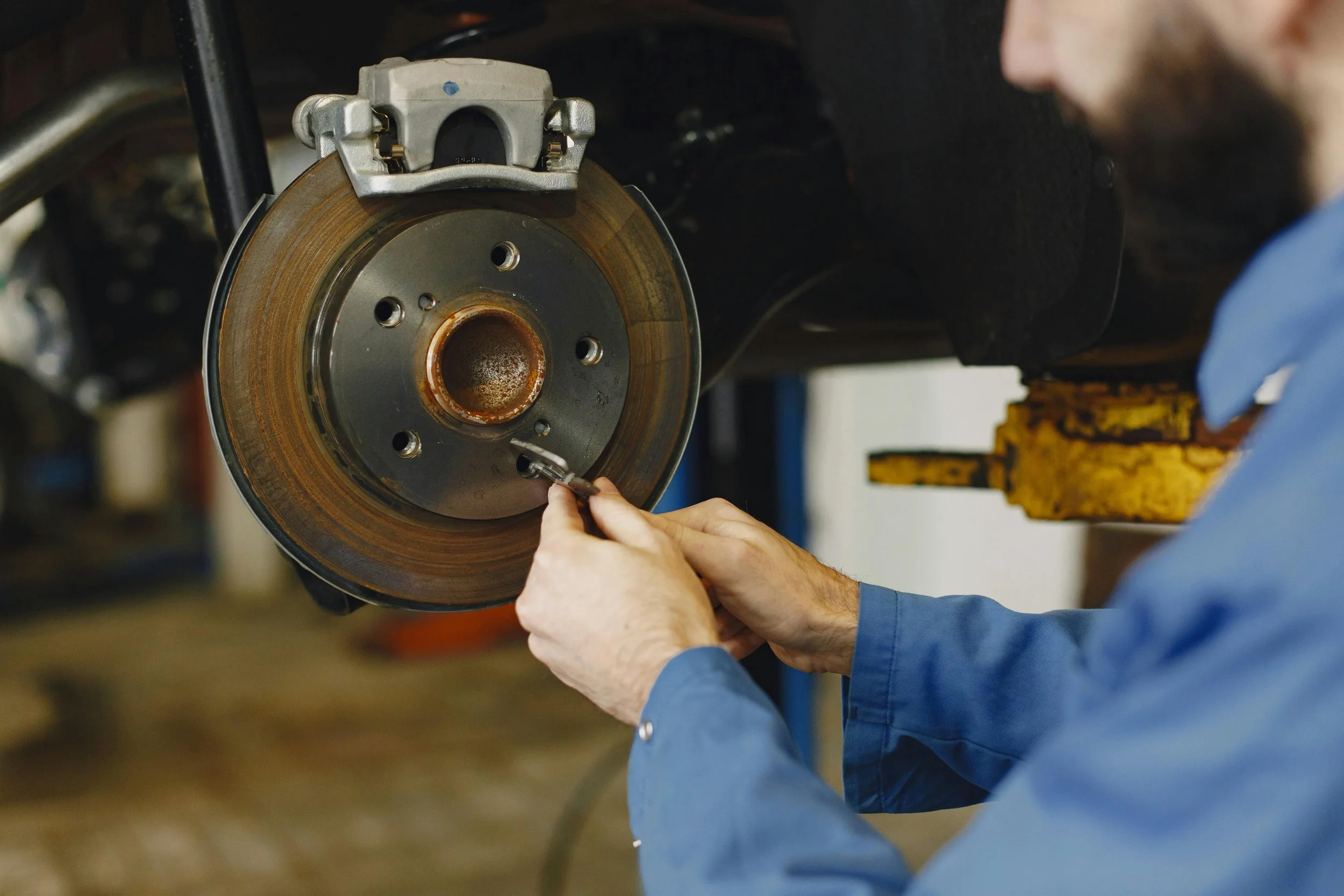
The brake cables in your automobile are a vital part of the braking system that keeps you and everyone safe while driving. Especially in the hilly terrains of Dunedin and Otago, the roads can take a toll on your brake cables. Your vehicle’s capability to stop or remain still depends on the condition of its brake cables, whether you're parking on a steep incline or driving through Dunedin’s sloping roads.
Today, we’re going to be delving into why brake cables are crucial, the typical issues they encounter, and how New Zealand’s environment and roads, and the importance of routine checks for road safety.
What Brake Cables Actually Do
Let’s say you're driving through Baldwin Street. You will definitely need your vehicle’s brake system to be functioning well. The brake cables in these conditions keep you safe.
What do brake cables actually do? Brake cables, also called parking brake cables or handbrakes, are steel wires enclosed in protective covers. The cable sends force to the back brakes when the brake is activated, holding the car stationary. Brake cables need to withstand nonstop stress and movement, unlike hydraulic brakes, which depend on fluid pressure.
You risk losing the ability to use the handbrake completely if your brake cable fails. If you park your car on an incline, it could start rolling. That is a very dangerous scenario that could lead to a lot of people getting hurt. That’s why your vehicle’s brake cables are equally as important as your standard foot brake.
Common Issues That Affect Brake Cables
The NZ Transportation Agency requires vehicles to have their brake cables regularly inspected. Consistent maintenance ensures compliance with the Warrant of Fitness. Brake cables naturally degrade over time, and you will need to get them checked regularly.
Here are the three common issues you may face:
Corrosion
Corrosion occurs when moisture, grime, and salt from the road accumulate inside the brake cable’s sheathing. Dunedin’s climate and the Otago region are coastal, which exposes vehicles to salty air. The cable weakens due to corrosion and could break under continuous stress.
Stretching
Repeated tugging on brake cables causes them to stretch over time. The strain causes excessive stretching of the handbrake cable, or, in simpler terms, your brakes may feel overly loose when pulled. Driving across inclined roads, especially in Dunedin, you must not overlook a stretched brake, since you cannot keep your vehicle secured while parked.
Fraying
Brake cables, like any steel wire, fray over time. The cable is prone to breaking if the outer casing cracks and the metal strands inside become visible. Additionally, fraying affects performance and fluid movement.
How New Zealand’s Climate Impacts Brake Cable Longevity
The varied climate of New Zealand is challenging for vehicles, particularly in places like Dunedin, Wellington, or Christchurch, where wind, rain, and sea spray are common. Rust and corrosion speed up in the salty, humid air, particularly under your vehicle, where the brake wires are located.
Some roadways are treated with grit or salt in the winter, which can stick to the cables and hold in moisture. Eventually, the moisture corrodes the casing and metal wire inside. Dunedin’s high humidity can damage brake cable wires if they are not checked occasionally.
Legal and Safety Compliance in New Zealand
It’s important to remember that your car must always be road-legal in New Zealand, and the braking system is no exception. You cannot just depend on it being safe on the day of inspection under the Warrant of Fitness (WoF) regulations. Between inspections, you need to keep it safe.
A WoF inspection covers brake operation, parking/handbrake operation, and service brakes.
The entire braking system may fail inspection if a brake cable is broken, corroded, overly worn, or malfunctioning. The regulations require that your handbrake, cable engagement, or cable-mounted parking brake component operate properly.
A reliable handbrake is even more essential in the Dunedin area since the steep roads, coastal spray, and unpredictable weather. Maintaining compliance isn’t only about avoiding a fail certificate; it’s about keeping your passengers and other motorists safe on New Zealand’s roads.
You cannot legally drive your vehicle unless it meets the WoF requirements.
Driving is a privilege, not a right. It’s safe to remember that these rules are in place for everyone’s safety.
Driving is a privilege, not a right. It’s safe to remember that these rules are in place for everyone’s safety.
Steering Towards Brake and Road Safety
Despite their small size, brake cables are important for your vehicle's safety. It’s your responsibility to maintain your car or motorbike by getting them the maintenance they need, looking for signs of wear, and how the conditions in New Zealand impact them.
Don’t leave rust or strange brake behaviour to chance, because safety is on the line. You can rely on Sims Brake Services’ professionals to thoroughly inspect and secure your brakes. Contact us today to book a maintenance appointment!
FAQs About Brake Cables
What is the purpose of a brake cable?
Brake cables help your vehicle stay safely parked, especially on hills, by transferring from the handbrake to the rear brakes.
How often should I replace my brake cables?
If you notice rust, straining, or reduced handbrake performance, have them inspected at least once a year. You should also have your cables replaced every 1-2 years as a safety precaution.
Can I do brake cable replacements myself?
You can replace the brake cables yourself; however, we strongly recommend hiring a professional. Incorrect installation can result in brake failure, whereas a professional mechanic has the skills and tools to perform a correct and safe replacement.
Does NZ’s climate affect brake cables?
Yes, New Zealand’s climate affects brake cables, particularly in Dunedin, where the humid, rainy coastal environment can speed up corrosion.